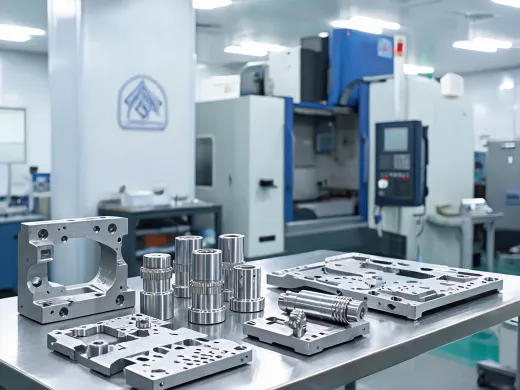
Aerospace tooling
Fixtures, forming tools and support components benefit from traceable supply, stable heat treatment and controlled release documentation.
Certified end markets
Bohler serves production teams that need specialty steel linked to certified quality systems, rigorous process control and clear application reasoning.
The same Bohler grade can appear in very different environments, so the industry conversation begins with failure mode and audit expectation. Aerospace buyers may ask first about traceability and fatigue-sensitive tooling. Medical suppliers may focus on cleanability, corrosion behavior and batch records. Defense and industrial equipment teams may prioritize impact resistance, edge life or repair cycles. Bohler keeps these market needs separate rather than forcing a single generic metal story across every buyer.
Fixtures, forming tools and support components benefit from traceable supply, stable heat treatment and controlled release documentation.

Stainless specialty grades are reviewed for corrosion resistance, finish quality, sterilization exposure and certificate scope.
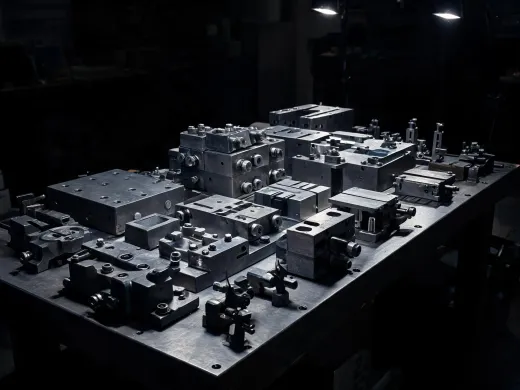
High-strength and wear-resistant steels are chosen with attention to toughness, inspection history and repeatable processing.
Quality-system alignment for aerospace purchasing teams that require disciplined order control and records.
Process-sensitive programs can flag special routing needs before thermal processing or finishing is planned.
Medical supply conversations can include hygiene, traceability and batch documentation expectations.
Industrial buyers receive a familiar foundation for purchasing review, complaint handling and corrective action.
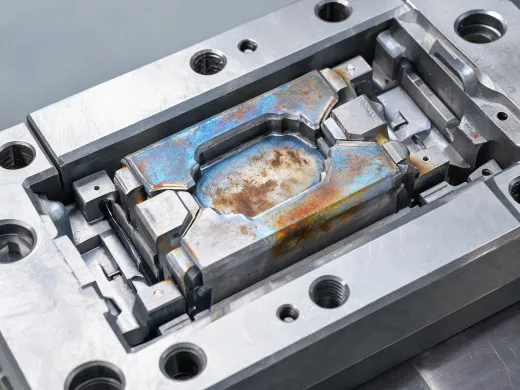
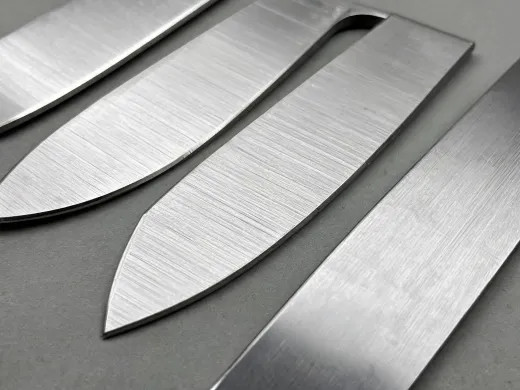
Industry fit is not only about naming a market. It is about understanding the inspection environment around the part. A knife manufacturer may need edge stability and corrosion resistance. A mold shop may need polishability and dimensional stability after hardening. An aerospace tooling buyer may need documentation that proves the material journey. Bohler structures its support around those differences, which helps customers avoid vague substitutions and late-stage qualification questions.
Share the market, certification need and service condition, and Bohler will help frame the alloy decision.